%2Ffit-in%2F250x250%2Fguide_websites%2F6333%2Fimages%2Fsaltyanglerfishingcharters.png&w=1920&q=100)
/users/860bae8f-d0e4-41cc-8b7d-a22fb50414f6/ratecard/d454c456-6928-416d-bb1a-6b9ec767792c.jpg)
%2F300x300%2Fusers%2F860bae8f-d0e4-41cc-8b7d-a22fb50414f6%2Fratecard%2Fd454c456-6928-416d-bb1a-6b9ec767792c.jpg&w=256&q=75)
%2F300x300%2Fusers%2F860bae8f-d0e4-41cc-8b7d-a22fb50414f6%2Fimages%2Fmount-pleasant-speckled-trout-fishing-2411.jpg&w=256&q=75)
%2F300x300%2Fusers%2F860bae8f-d0e4-41cc-8b7d-a22fb50414f6%2Fimages%2Fmount-pleasant-redfish-catch-2396.jpg&w=256&q=75)
%2F300x300%2Fusers%2F860bae8f-d0e4-41cc-8b7d-a22fb50414f6%2Fimages%2Fmount-pleasant-redfish-catch-2523.jpg&w=256&q=75)
%2F300x300%2Fusers%2F860bae8f-d0e4-41cc-8b7d-a22fb50414f6%2Fimages%2Fblack-drum-mount-pleasant-fishing-2410.jpg&w=256&q=75)
%2F300x300%2Fusers%2F860bae8f-d0e4-41cc-8b7d-a22fb50414f6%2Fimages%2Fmount-pleasant-sheepshead-catch-2419.jpg&w=256&q=75)
%2F300x300%2Fusers%2F860bae8f-d0e4-41cc-8b7d-a22fb50414f6%2Fimages%2Fmount-pleasant-black-drum-fishing-2422.jpg&w=256&q=75)
%2F300x300%2Fusers%2F860bae8f-d0e4-41cc-8b7d-a22fb50414f6%2Fimages%2Fmount-pleasant-sheepshead-catch-2393.jpg&w=256&q=75)
%2F300x300%2Fusers%2F860bae8f-d0e4-41cc-8b7d-a22fb50414f6%2Fimages%2Fmount-pleasant-sheepshead-fishing-2381.jpg&w=256&q=75)
%2F300x300%2Fusers%2F860bae8f-d0e4-41cc-8b7d-a22fb50414f6%2Fimages%2Fmount-pleasant-sheepshead-fishing-success-2310.jpg&w=256&q=75)
%2F300x300%2Fusers%2F860bae8f-d0e4-41cc-8b7d-a22fb50414f6%2Fimages%2Fsheepshead-fishing-mount-pleasant-sc-2399.jpg&w=256&q=75)
3/4 Day Nearshore Wreck Fishing Adventure
 Charleston
What you will be catching:
 Cobia
Cobia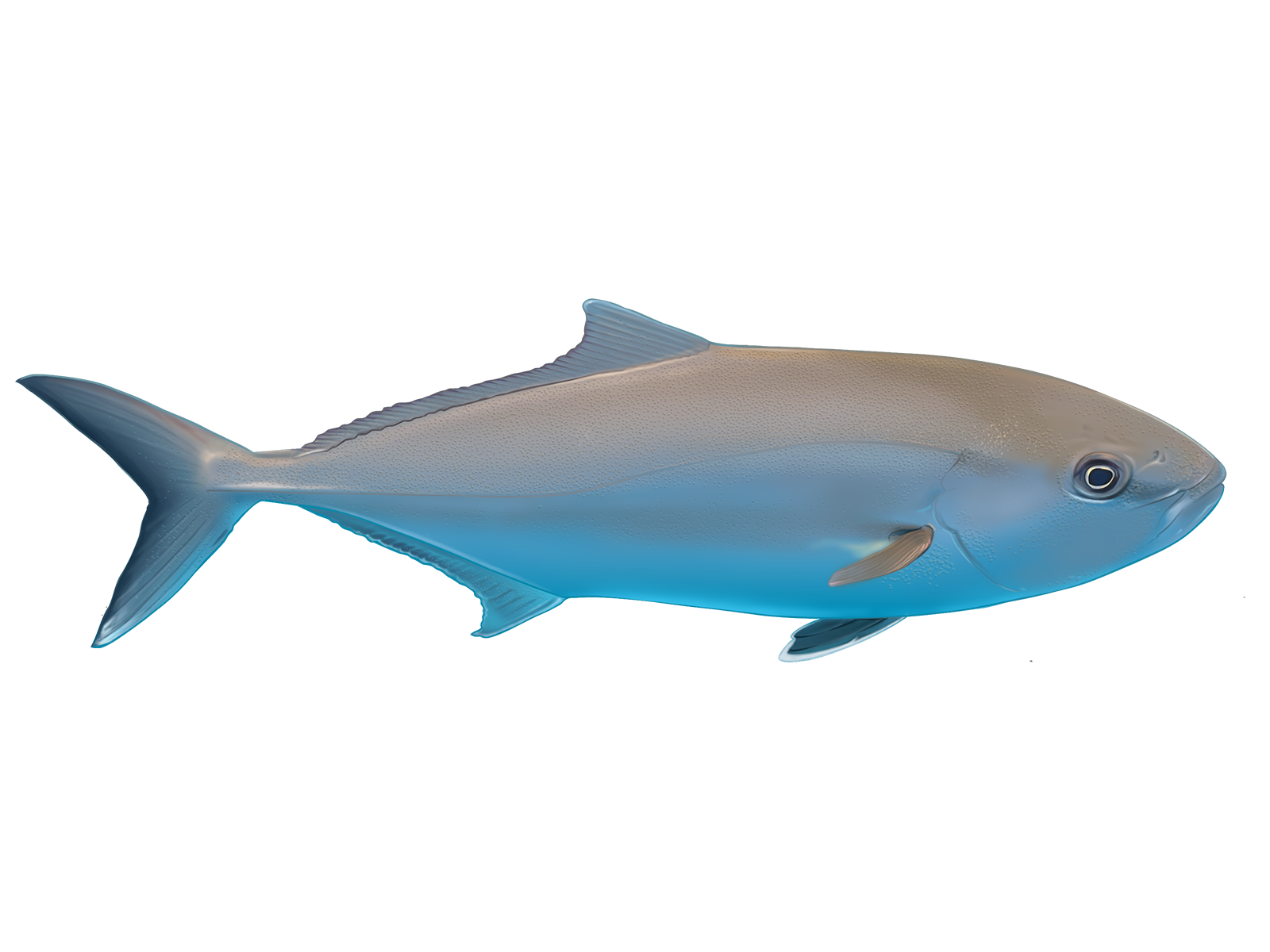 Greater Amberjack
 Gag Grouper
 Red Snapper
 Spadefish
- Target premium offshore species including Cobia, Amberjack, and Grouper
- Exclusive small group experience limited to maximum two guests
- Full day wreck fishing adventure with experienced charter service
Trip Pricing and Availabilities:
3/4 Day Nearshore Wreck Fishing Adventure
Ready to get after some serious bottom dwellers and structure fish? This 3/4 day nearshore trip with Salty Angler Fishing Charters puts you right where the big fish live – on productive wrecks and reefs where Cobia, Amberjack, Grouper, Red Snapper, and Spadefish call home. We're talking about a top-rated fishing experience that targets some of the most sought-after species in these waters. With just 2 anglers max, you'll get the personal attention and prime fishing spots that make this trip a customer favorite among serious fishermen.
What to Expect on the Water
We'll head out to proven wreck sites and structure where fish stack up like cordwood. These aren't your typical inshore spots – we're running to deeper water where the real action happens. The boat rides out smooth, and once we hit our marks, it's game on. You'll be dropping baits down to productive bottom structure, working the water column, and staying ready for anything that might cruise by. The beauty of wreck fishing is you never know what's going to grab your bait next. Could be a monster Amberjack that'll test your shoulders, or a curious Cobia that comes up to check out the boat. We keep things moving between spots to stay on the bite, and with only 2 anglers aboard, everyone gets plenty of rod time and the captain's full attention.
Techniques and Tackle
Wreck fishing is all about precision and power. We'll be using medium to heavy tackle that can handle both the fish and the structure. Think circle hooks, heavy sinkers, and strong leaders that won't give up when a big Amberjack tries to cut you off in the wreck. We'll work everything from live bait presentations to cut bait rigs, depending on what's biting. The key is getting your offering down to the fish while being ready to pull them up and away from the structure before they can wrap you up. We'll also keep some lighter tackle rigged for Spadefish when they're schooled up, and always have something ready for sight fishing if Cobia show up. The captain knows these wrecks inside and out, so you'll learn the best techniques for working each spot effectively.
Species You'll Want to Hook
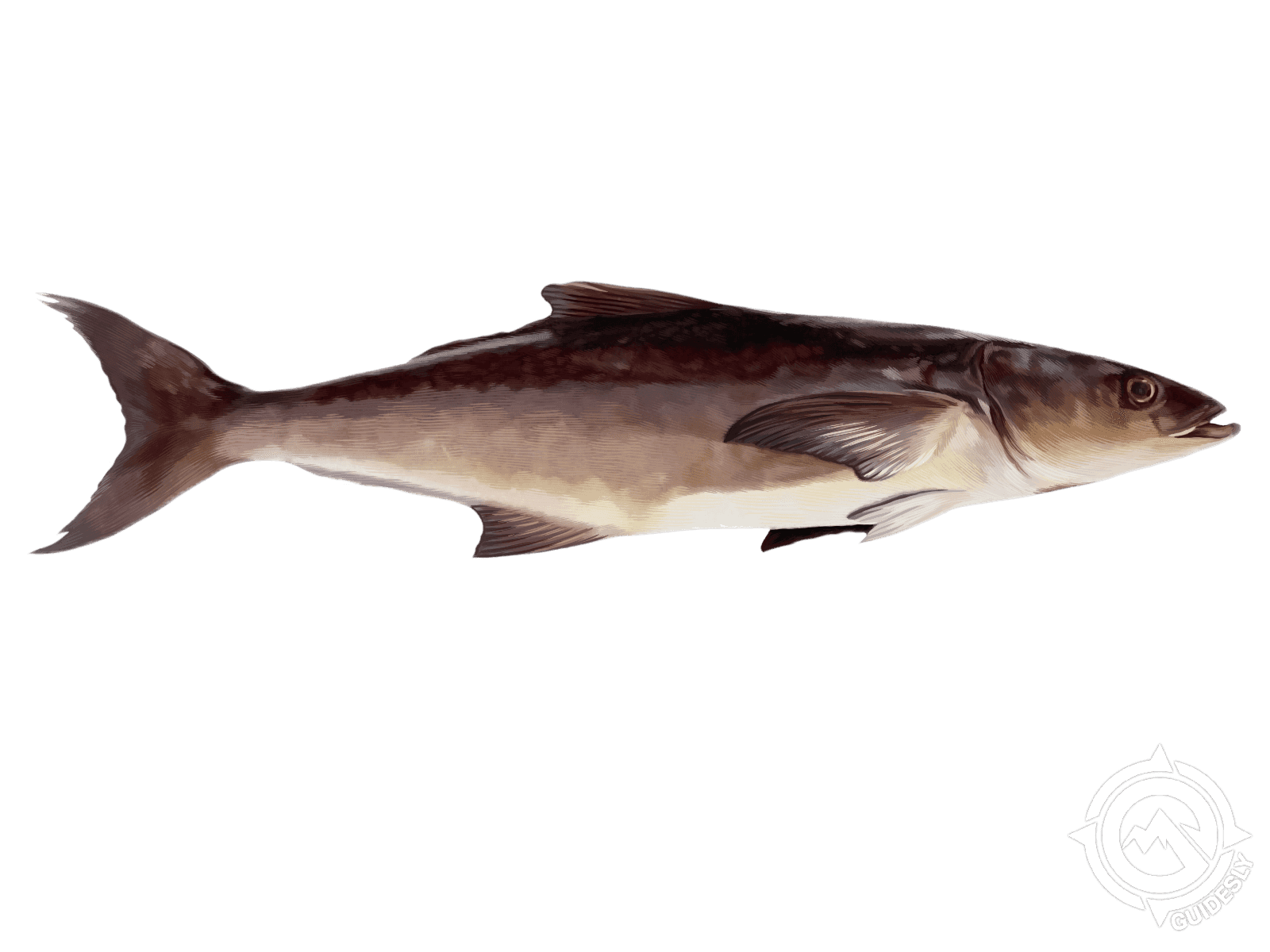
Cobia are the crown jewel of nearshore fishing – these chocolate-colored bruisers can push 40+ pounds and fight like nothing else. They're curious fish that'll often come right up to the boat, giving you shot at sight casting. Best action typically runs from late spring through early fall when they're cruising the wrecks and following rays. What makes Cobia so special is their intelligence and power – they'll make long runs and test every inch of your drag system.
Greater Amberjack are the workout you didn't know you signed up for. These reef bullies can exceed 50 pounds and will absolutely punish your shoulders and back. They hit hard, dive deep, and use every bit of structure to try and break you off. Peak season runs through the warmer months when they're aggressive and feeding heavily on the wrecks. Anglers love them because they're reliable fighters that never give up, even at the boat.
Red Snapper remain the most popular target for good reason – they're beautiful, they fight well, and they taste even better. These crimson beauties stack up on structure and can be caught year-round when regulations allow. They're smart fish that require finesse and the right presentation, making every hookup feel earned. The bigger breeding-size fish are especially prized for their impressive size and table fare.
Gag Grouper are the bulldogs of the reef, using their broad heads and powerful bodies to try and get back to their holes. They're ambush predators that hit fast and pull hard toward structure. Spring and fall offer the best action when they're feeding aggressively. What makes Grouper fishing so exciting is the initial strike – it's often explosive and immediate, followed by a determined fight straight down.
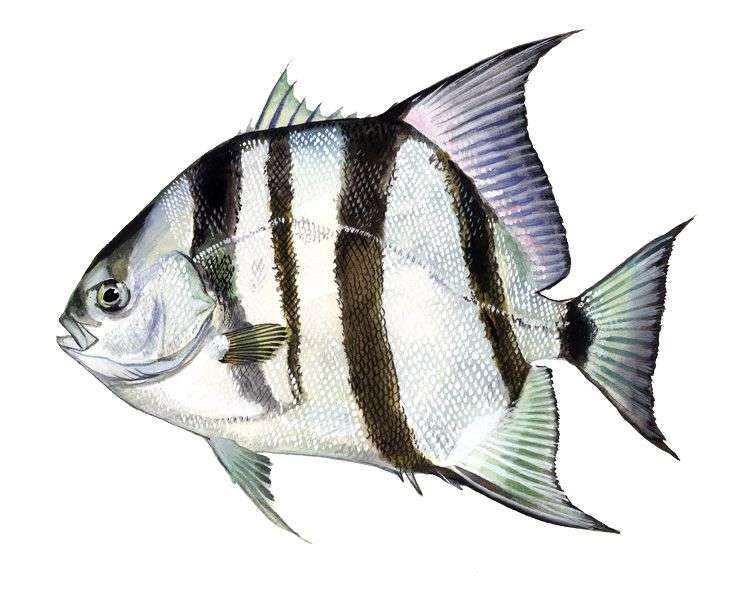
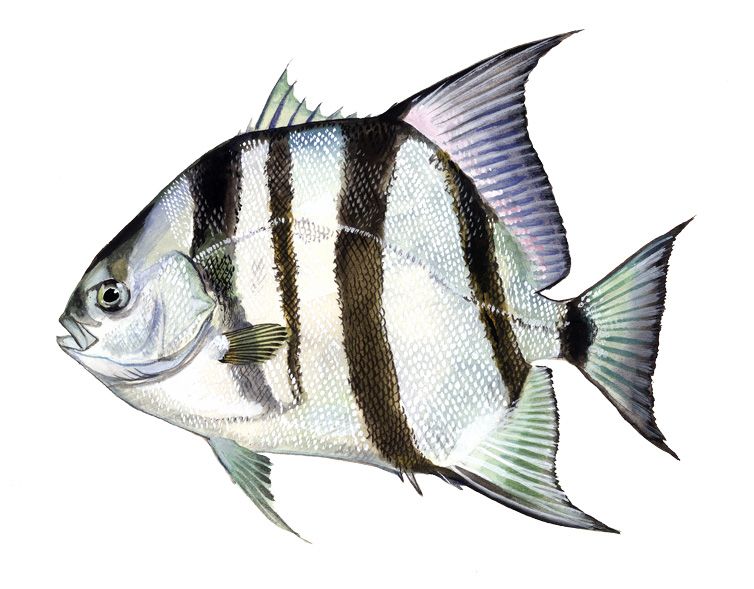
Spadefish might be the most underrated fish on the reef. These silver pancakes school up in huge numbers around wrecks and can provide non-stop action when you find them. They're excellent table fare and put up a scrappy fight on lighter tackle. Summer months see the biggest schools, and when they're biting, you can catch them as fast as you can drop a line down.
Time to Book Your Spot
This world-class nearshore wreck fishing trip delivers exactly what serious anglers are looking for – variety, action, and the chance at some real trophy fish. With only 2 spots available, you're guaranteed personal attention and prime fishing opportunities that larger charter operations simply can't match. The combination of proven fishing grounds, expert local knowledge, and small group size makes this a trending choice among anglers who want the best trip possible. Whether you're after a personal best Amberjack, hoping to sight-cast to Cobia, or just want to load up on quality bottom fish, this trip puts you in the right place with the right techniques. Don't wait – the best fishing days fill up fast, and spots like this are exactly why Salty Angler Fishing Charters has built their reputation as the go-to operation for serious wreck fishing action.
Learn more about the species
Cobia
Cobia are one of our most prized catches - these brown, shark-looking fish average around 30-50 pounds but can hit 100-plus. They're loners, not schoolers, which makes each one special. We spot them cruising reefs, wrecks, and buoys in 30-70 feet during spring and summer, often just under the surface. What makes them awesome is the combination of strong fights and absolutely fantastic eating - firm, white meat that's restaurant quality. They hit bucktail jigs, live bait, and topwater plugs with authority. Best fishing is during their spring migration when they move through in good numbers. Here's my go-to technique: when you see one, cast a 6-ounce bucktail jig well ahead of where it's swimming, let it sink a bit, then work it back with steady hops. Color doesn't matter much - they're aggressive predators.
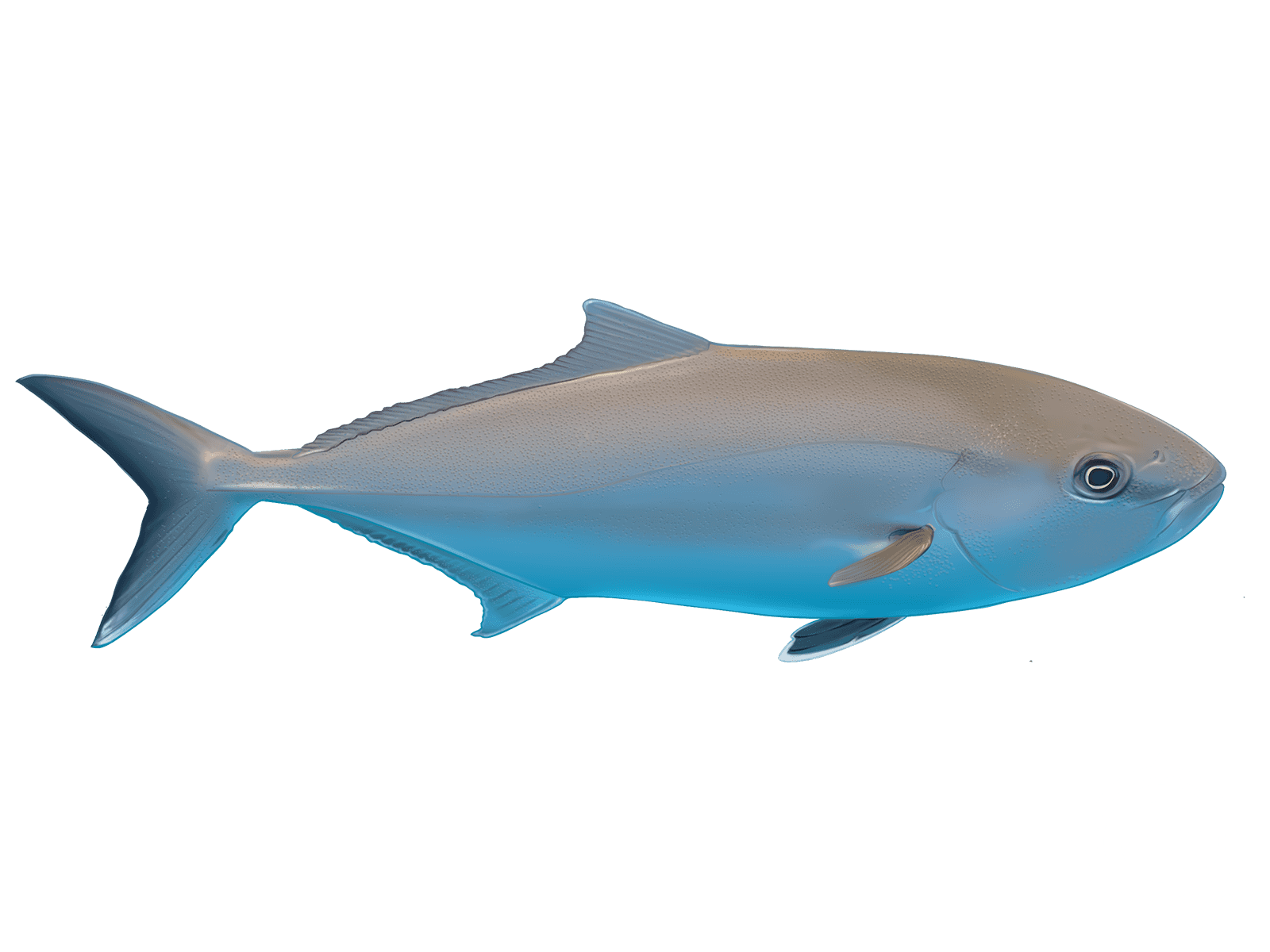
Greater Amberjack
Greater Amberjacks are the heavyweight bruisers of our nearshore trips, and they'll test every bit of your tackle. These bronze-striped fighters average 39 pounds but can reach over 100, stretching up to 6 feet long. We find them around reefs, wrecks, and oil rigs in 60-300 feet of water, especially during their spring spawning run from April to May. What guests love most is the raw power - once hooked, they'll make long runs and try to wrap your line around structure. The meat is excellent eating, though larger fish can carry ciguatera. We target them with heavy tackle, 50-pound test minimum, using live bait, metal jigs, or plugs. Pro tip: when you hook one, keep steady pressure and don't let them get back to the bottom. Fight them in the water column or they'll cut you off on the structure every time.
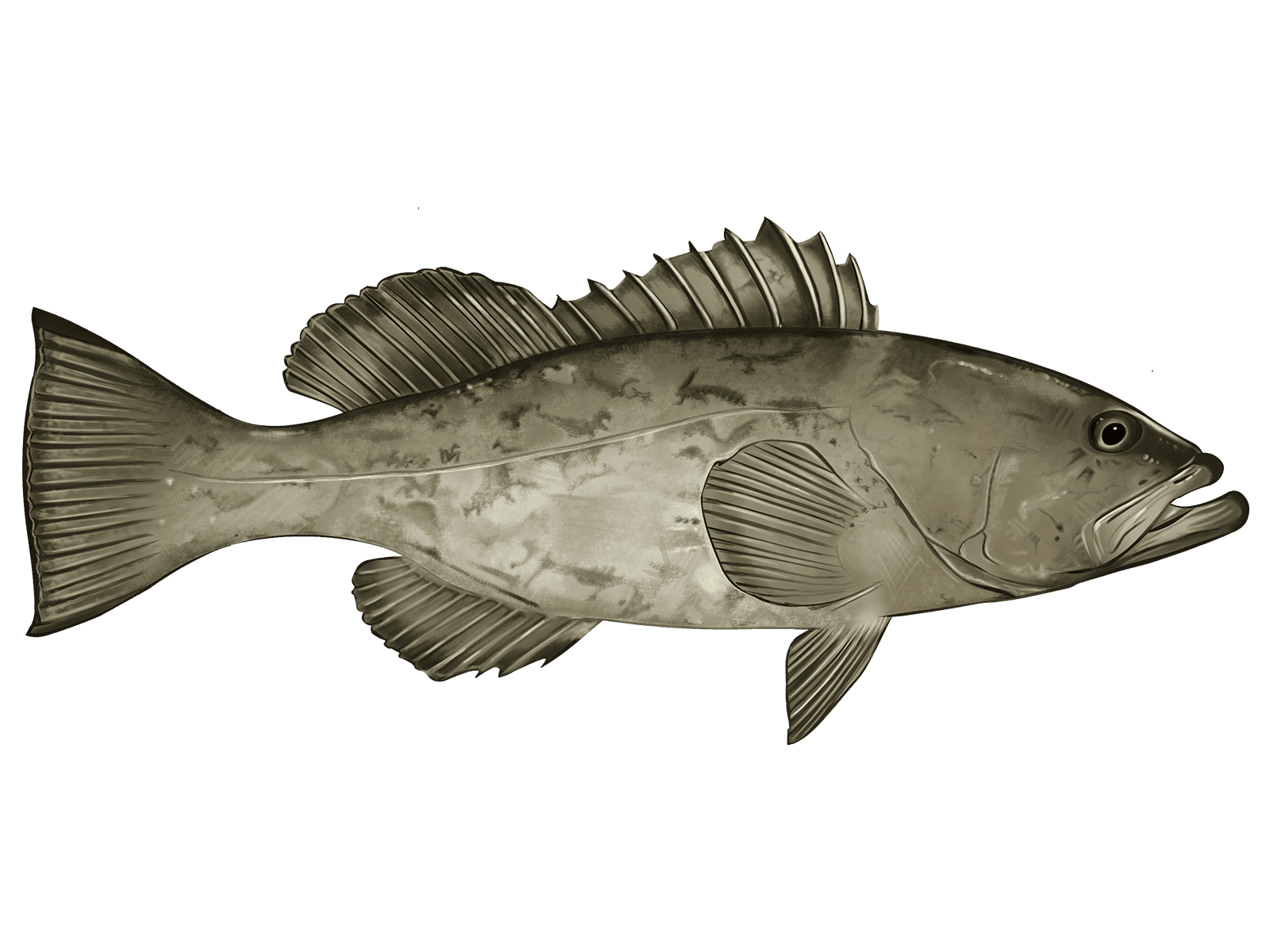
Gag Grouper
Gag Grouper are the classic bottom dwellers that'll give you a real tussle once hooked. These mottled gray fish average around 20 inches but can grow to massive 50+ pounders over their 30-year lifespan. We find them around rocky reefs, ledges, and wrecks where they ambush prey like crabs, shrimp, and small fish. What guests love is the powerful fight - they immediately try to dive back into their holes, so you've got to muscle them up fast. The eating is fantastic too, with firm white meat. Year-round fishing, but spring and fall are prime. Live pinfish and mullet work best, though cut bait like squid and octopus produce too. My tip: once you hook one, lock that drag down tight and keep your rod tip low. Don't let them run or they'll wrap you around the structure and break off every time.
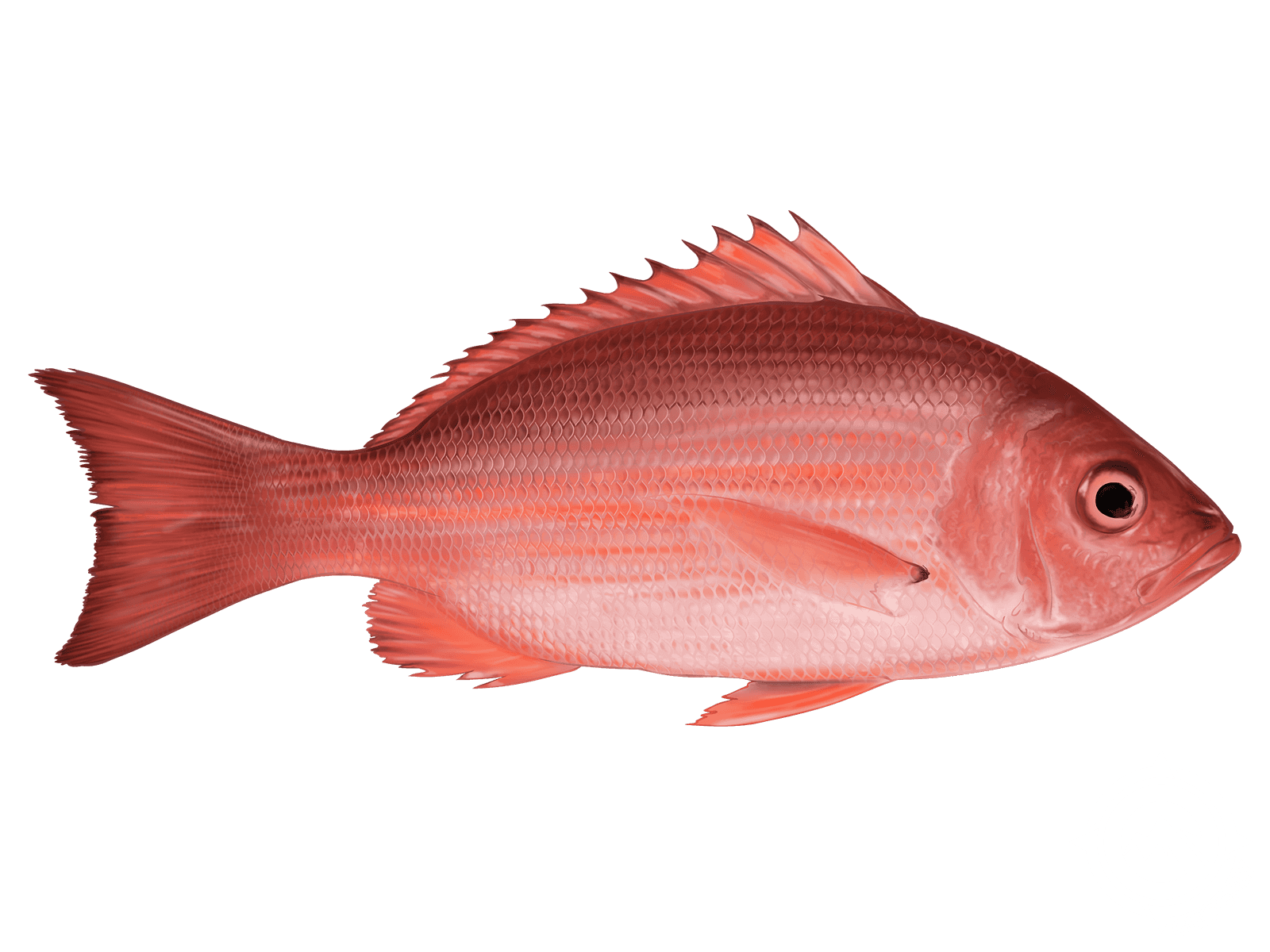
Red Snapper
Red Snapper are the ultimate bottom fish - these bright red beauties average 1-2 feet and 5-10 pounds, though they can reach 35 pounds or more. We target them around hard bottom, reefs, and wrecks in 30-200 feet of water. What makes them so popular is they're scrappy fighters that dive straight for cover when hooked, plus they're absolutely delicious table fare with sweet, flaky white meat. Best fishing runs May through October during their spawning season. They'll hit live pinfish, cigar minnows, cut squid, and fresh shrimp dropped right to the bottom. Here's the key: once you hook one, don't give it any slack or it'll wrap you up in the structure below. Keep steady pressure and winch them up quickly. Use circle hooks with enough weight to get down fast - these fish live right on the bottom.
Spadefish
Spadefish are one of the most distinctive fish you'll encounter on our nearshore trips. These silver disk-shaped beauties with black stripes average 3-10 pounds and 18 inches, though some reach up to 14 pounds. What makes them special is their schooling behavior - adults travel in massive groups of 500 or more around reefs and wrecks in 30-200 feet of water. They're popular because they put up a surprisingly good fight for their size. We typically find them near structures where they feed on small crabs, shrimp, and jellyfish. Spring through fall offers the best action when water temps warm up. Here's a local trick: when you spot a school, cast your clam bait past them on a small circle hook, then drag it slowly through the group. They can be picky, so patience pays off with these tasty table fish.